


Water filter emergency kit: Ensure safe drinking water in every situation
Water Filter Emergency Kit: Top Choice for Clean Drinking Water in Emergencies
A water filter emergency kit ensures you always have clean drinking water in emergencies. Learn why it's essential and discover the best options to include in your emergency kit.
Key Points
- A water filter is essential in emergency situations to have access to safe drinking water and prevent disease.
- There are several types of water filters with unique benefits, including activated carbon, hollow fiber, and gravity filters, all of which are suitable for emergency kits.
- Regular maintenance and pre-filtering of water is crucial to ensure the effectiveness and longevity of water filters.
Why include a water filter in your emergency kit?

In emergency situations, access to safe drinking water, which is essential for survival, can be limited. Whether you're dealing with flooding, a power outage, or another crisis, clean drinking water is essential to prevent diseases like diarrhea that can result from contaminated water.
A water filter is essential in such situations, as it removes bacteria, parasites, and dirt from the water, making it safe to drink. Water filters are compact and portable, making them ideal for emergency kits and outdoor activities.
They make it possible to make natural water, which is often contaminated, drinkable. This is particularly useful when access to clean tap water is limited and you rely on surface water or other sources. By removing harmful substances from the water, water filters ensure you always have clean and safe drinking water, even in the most challenging conditions.
Besides removing contaminants like bacteria and parasites, water filters can also filter chemicals like heavy metals and pesticides. This makes them a versatile and reliable solution for providing safe drinking water in emergencies. Using a good water filter can make the difference between staying healthy and getting sick during a crisis.
Different types of water filters
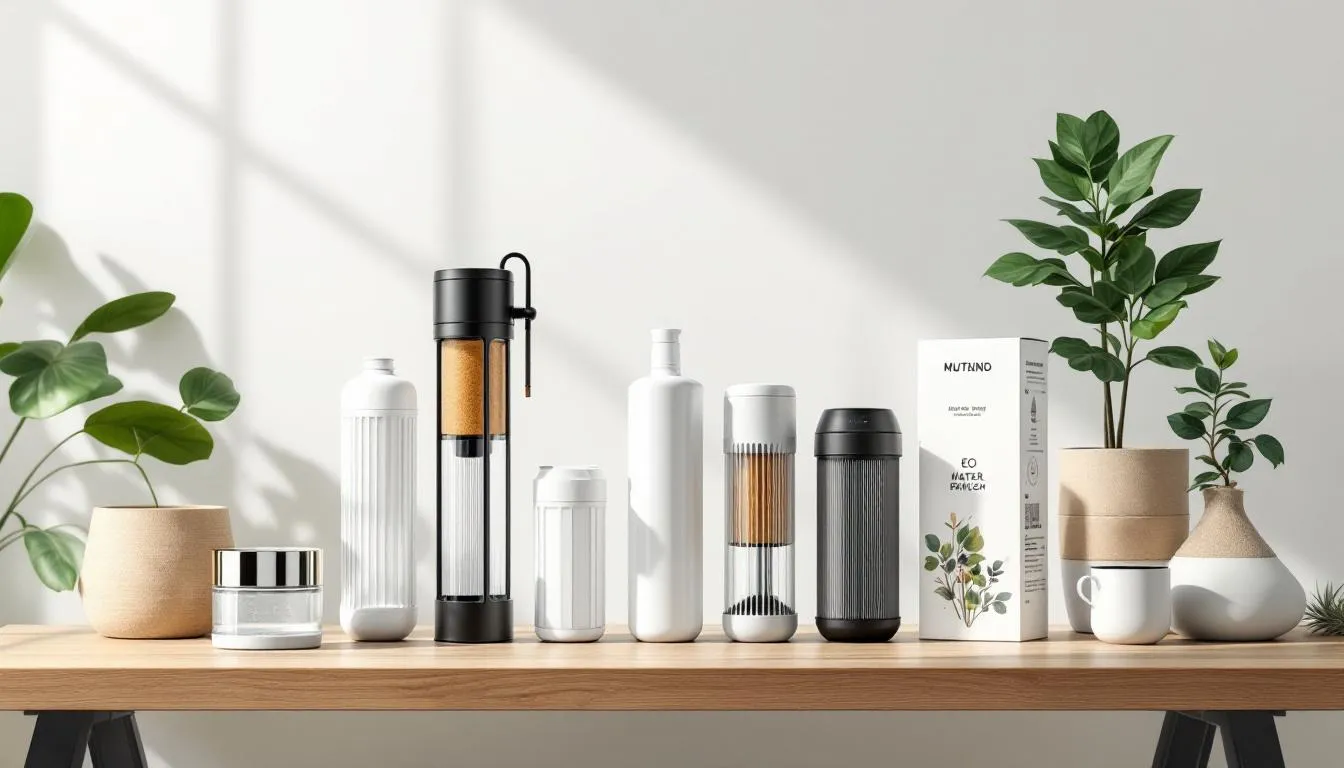
There are several types of water filters, each with its own advantages and disadvantages, depending on the situation in which you use them. Choosing the right type of filter is crucial to ensuring you have access to clean drinking water. Methods vary from gravity, pump, and suction, each with their own specific applications and advantages. In addition, there are various ways to make different types of filters available to meet different needs.
When choosing a water filter, it is important to consider the following factors:
- Capacity
- Format
- Filter properties
- Weight
Modern plastic membrane filters, for example, clog less quickly and are easier to use.
To help you make the right choice, we'll discuss some popular types of water filters suitable for emergency kits in the following subsections. The types of water filters we'll cover are activated carbon filters, hollow fiber filters, and gravity water filters. Each type has unique features and benefits that will help you make an informed decision.
Activated carbon filters
Activated carbon filters are known for their ability to remove chemicals like chlorine from water, significantly improving its taste and odor. This type of filter is particularly effective at eliminating chemical contaminants and chemicals that can make water unpleasant to drink.
These filters are popular for their versatility and effectiveness. They not only remove heavy metals and other harmful substances but also improve the taste of the water, making them an excellent choice for both emergency situations and everyday use.
Whether you filter rainwater, groundwater or surface water, an activated carbon filter ensures clean and safe drinking water.
Hollow fiber filters
Hollow fiber filters are designed to eliminate a wide range of bacteria and harmful microorganisms from water, making them ideal for purifying contaminated water. The small pores in these filters allow only water to pass through, while impurities such as bacteria and other microorganisms are retained.
This makes hollow fiber filters crucial for obtaining clean drinking water from contaminated sources. They are robust and effective, requiring no chemical additives to perform their function, making them a reliable choice for emergency situations and outdoor adventures.
Gravity water filters
Gravity water filters are exceptionally efficient for filtering large volumes of water without the need for electricity. These filters operate by simply filling a reservoir and attaching the filter to a suspension point, allowing gravity to force the water to flow through the filter.
These filters are:
- Easy to use
- Ideal for situations where you need a lot of drinking water quickly
- Very suitable for use by multiple people, for example in a family or group during an emergency.
Thanks to their simplicity and efficiency, gravity water filters are a popular choice for emergency kits.
Top 3 Best Water Filters for Emergency Kits
Choosing the best water filter for your emergency kit can be a challenge, given the many options available. To help you, we've selected the top three water filters that excel in durability, capacity, and ease of use. These filters have been tested and proven effective in providing clean, safe drinking water in emergency situations.
Choosing the best water filter depends on specific needs such as the amount of water to be filtered, the size and weight of the filter, and how easy it is to use.
The top three filters we recommend for emergency kits are the Katadyn Hiker Pro, the Lifestraw Family, and the Sawyer Mini. Let's take a closer look at each of these filters to understand why they're the best choice for emergencies.
Katadyn Hiker Pro
The Katadyn Hiker Pro is designed to effectively filter bacteria and suspended particles from surface water, making it safe to drink. This water filter is compact and lightweight, making it ideal for emergency kits and outdoor adventures.
The Katadyn Hiker Pro is a reliable emergency companion with the following features:
- Capacity to filter many liters of water before the filter element needs to be replaced
- Simple pump mechanism
- Makes it easy to quickly obtain clean drinking water, even from contaminated sources
Lifestraw Family
The Lifestraw Family is a gravity-fed water filter ideal for use by families and larger groups. This robust water filter can filter large volumes of water without electricity, making it perfect for emergency situations where power access is limited.
The filter is easy to use: simply fill the reservoir with water and let gravity do the work. The Lifestraw Family is known for its reliability and effectiveness in providing clean drinking water, making it an excellent choice for emergency kits.
Sawyer Mini
The Sawyer Mini is a compact and lightweight water filter ideal for personal use during emergencies. Features include:
- Small dimensions
- Lightweight
- Fits perfectly in an emergency kit
- Takes up little space
This water filter is easy to carry and offers a high level of filtration efficiency, making water safe to drink, even from the most contaminated sources. The Sawyer Mini is an excellent choice for individual users who want constant access to clean, safe drinking water.
Maintenance and lifespan of water filters
Regular water filter maintenance is essential to ensure the quality of the filtered water. Properly maintaining your filter extends its lifespan and ensures it always functions optimally. This is especially important in emergency situations, where the availability of clean water is vital.
The maintenance frequency depends on the type of filter and how often it is used. Each filter has specific maintenance instructions that must be followed to maintain its effectiveness. In the following subsections, we discuss the most important maintenance tasks: regular flushing and cleaning, and replacing filter elements.
By properly maintaining your water filter, you ensure that you always have clean and safe drinking water, regardless of the situation.
Rinse and clean regularly
Regularly flushing and cleaning water filters is essential to prevent clogging and maintain water quality. Regularly flushing the filter reduces the buildup of dirt and bacteria, which extends the filter's lifespan and increases filtration efficiency.
It's good practice to thoroughly clean the filter after each use, especially if you've filtered water from heavily contaminated sources. This ensures the filter is ready for the next time you need it and minimizes the risk of bacterial growth and blockages.
Replacing filter elements
Replacing filter elements on time is crucial for ensuring your water filter continues to function effectively. Each type of filter has a specific lifespan for its elements, based on the number of liters it can filter before replacement is necessary.
By regularly checking the filter elements and replacing them in time, you prevent the filter from becoming less effective and water quality from deteriorating. This is especially important in emergency situations, where you depend on your water filter for clean and safe drinking water.
Water sources and pre-filtering
Choosing the right water source and pre-filtering dirty water are important steps to ensure clean drinking water. The main water sources for filtration are ditch water and rainwater. Before filtering these water sources, it's necessary to first coarsely filter to remove larger contaminants.
By obtaining water from reliable sources and pre-filtering it, you ensure your water filter is less stressed and lasts longer. This is crucial in emergency situations, where clean water availability may be limited.
In the next subsection, we discuss the importance of pre-filtering and how best to approach it.
Pre-filtering of dirty water
A pre-filter is important because it removes coarse impurities, such as:
- sand
- mud
- to leaf through
Other debris. These contaminants can otherwise clog the main filter. By using a sand filter or cloth filter, you can:
- effectively remove large particles from the water
-
extend the life of your main filter.
When pre-filtering rainwater, it's important to coarsely filter it with a sieve to remove twigs and leaves, and then remove sediment with an old sheet or sand filter. This ensures your water filter continues to function optimally and you always have access to clean, safe drinking water.
Additional tips for emergency kits
A well-prepared emergency kit includes not only a water filter but also spare parts and cleaning supplies to keep your filter in top condition. It's important to use food-safe plastic or glass for storing purified water to prevent further contamination. Regularly cleaning the filter housing and checking the parts for wear and tear can also help maintain filter effectiveness.
To ensure the safety of your drinking water, don't collect water directly from contaminated sources. Try to collect water from relatively clean sources, such as rainwater or running surface water. Furthermore, it's always helpful to use a pre-filter with a water filter to remove coarse dirt before it passes through the main filter.
Many emergency water filters are also suitable for everyday use, making them a versatile investment. By preparing properly and using the right tools and techniques, you can ensure you always have access to clean, safe drinking water, regardless of the situation.
Summary
In emergency situations, access to clean and safe drinking water is vital. Water filters play a crucial role in this by removing contaminants such as bacteria, parasites, and chemicals from the water, making it safe to drink. We've discussed various types of water filters, including activated carbon filters, hollow fiber filters, and gravity water filters, each with their own advantages and applications.
Choosing the right water filter for your emergency kit depends on your specific needs and circumstances. Maintenance is essential to maintain your filter's effectiveness, and pre-filtering dirty water can extend its lifespan. With the right preparation and tools, you're always guaranteed clean and safe drinking water, even in the most challenging situations. Be well prepared and always be ready to protect yourself and your loved ones.
Frequently Asked Questions
Why is a water filter essential in an emergency kit?
A water filter is essential in an emergency kit because it removes harmful substances from water, giving you access to safe drinking water during emergencies and minimizing your health risks.
What are the different types of water filters and their benefits?
Activated carbon filters, hollow fiber filters, and gravity water filters are the main types of water filters, each with specific advantages such as effectively removing chemicals, bacteria, and larger contaminants from water. Choose the filter that best suits your clean drinking water needs.
How do you maintain a water filter to extend its lifespan?
To extend the life of a water filter, it's important to regularly rinse and clean it and replace the filter elements. This prevents clogging and ensures effective operation.
What are good water sources for filtering water in emergencies?
In emergency situations, ditch water and rainwater are good sources for water filtration. Be sure to coarsely filter the water first to remove larger contaminants before running it through a main filter.